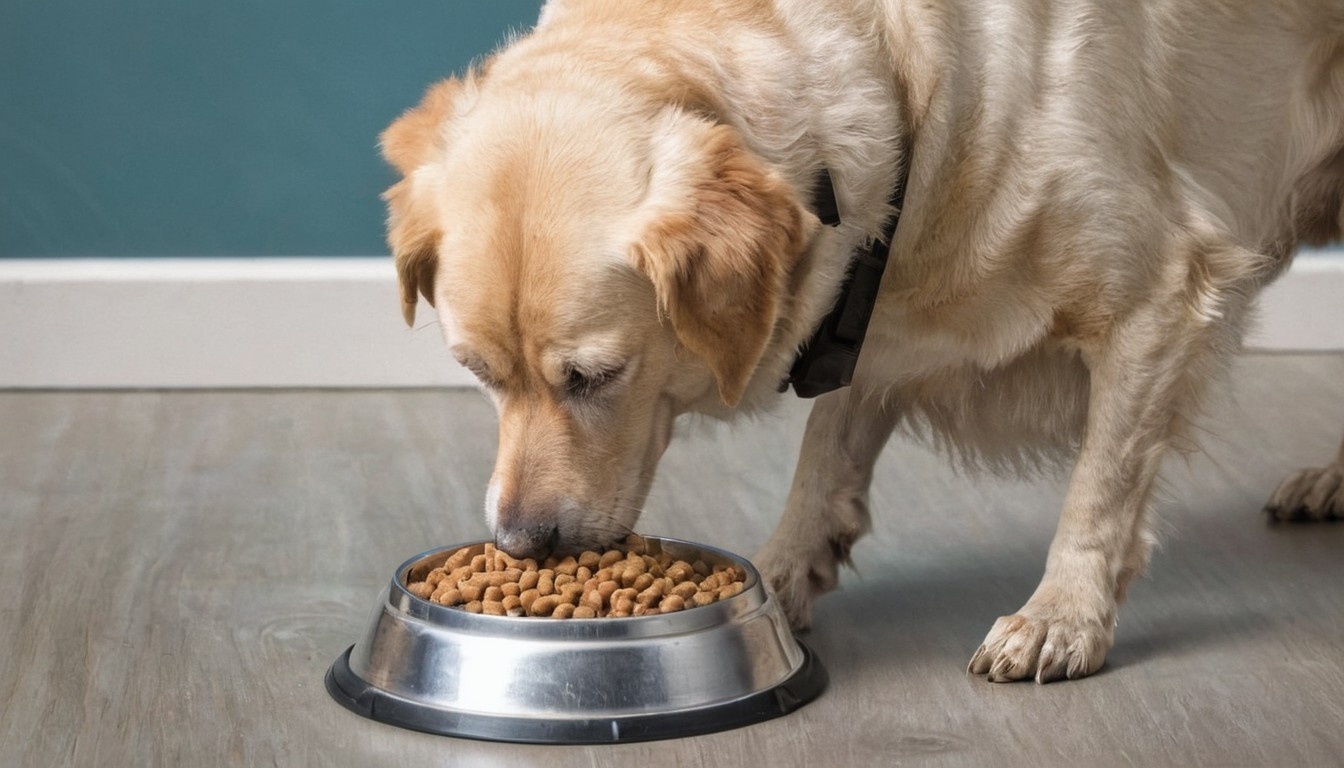
What should an old dog eat?
Ageing is a normal physical process that all our dogs go through. Physical and mental changes can occur during this stage of life. As recent studies show, the population of older dogs is increasing thanks to greater attention to healthcare and nutrition. Nutrition plays a central role in this and must be adapted to the individual and specific needs of your dog.
Certain nutrients play a crucial role in the diet of older dogs. It is therefore necessary to buy senior dog food that contains sufficient amounts of these nutrients. The fundamental goal of any diet is to maintain body weight and health.
BALANCED ENERGY DENSITY
In older animals, energy requirements may decrease as they age. This decrease is due to the gradual decline in lean mass that often occurs with ageing. Lean mass is the main factor responsible for metabolism. Less mass means less energy requirements.
INCREASED PROTEIN REQUIREMENTS
The protein content in the diet of older animals is often reduced without any need to do so. The protein content should only be reduced in the case of specific diseases. Only if the vet has diagnosed a disease that leads to the body's inability to eliminate protein waste products should you reduce the protein content. There are no studies showing that reducing protein has a preventive effect on certain diseases, while it has been proven that all animals increase their protein metabolism with age. Not only the quantity, but also the quality of the protein must be carefully assessed. The proteins used in the diet should be easily digestible and rich in essential amino acids, such as meat, eggs and fish.
HELP AND SUPPORT FOR MOBILITY
In order to maintain the ideal body weight, fat intake in the diet is often restricted. However, not all fats should be restricted. Long-chain omega-3 fatty acids (EPA – DHA) in particular remain important because of their role in fighting inflammation and counteracting cognitive decline.
CHONDROITIN AND GLUCOSAMINE
Supplementing the diet with chondroitin and glucosamine has proven benefits for joint mobility. Osteoarthritis is common in older dogs. Chondroitin and glucosamine make the cartilage more hydrated and elastic, reduce friction between the joint surfaces and thus pain, and also promote repair processes.
TASTE
Taste is another essential aspect of nutrition for older dogs. As their sense of smell is less active and the oral and dental areas of the dog are often affected, the food offered must therefore be very palatable, both wet and dry dog food.
DIGESTIBILITY
Older patients often have chewing problems which, combined with reduced movement, can make bowel activity difficult. Therefore, always buy easily digestible dog food for older dogs.
FIBRE
It has now been established that supplementing the diet of an older patient with prebiotics, such as xylo-oligosaccharides, leads to an improvement in digestive function. Prebiotics are non-digestible carbohydrates that reach the large intestine where they stimulate the growth and activity of beneficial intestinal flora.
CONCLUSION
As in humans, ageing is a normal process that brings with it specific needs. It is important to deal with this in the right way in order to maintain your dog's well-being and your relationship with your dog. Choosing a diet that is appropriate for their needs and noticing changes in the animal's daily habits at an early stage are key factors that can prolong and improve the life of older dogs.